
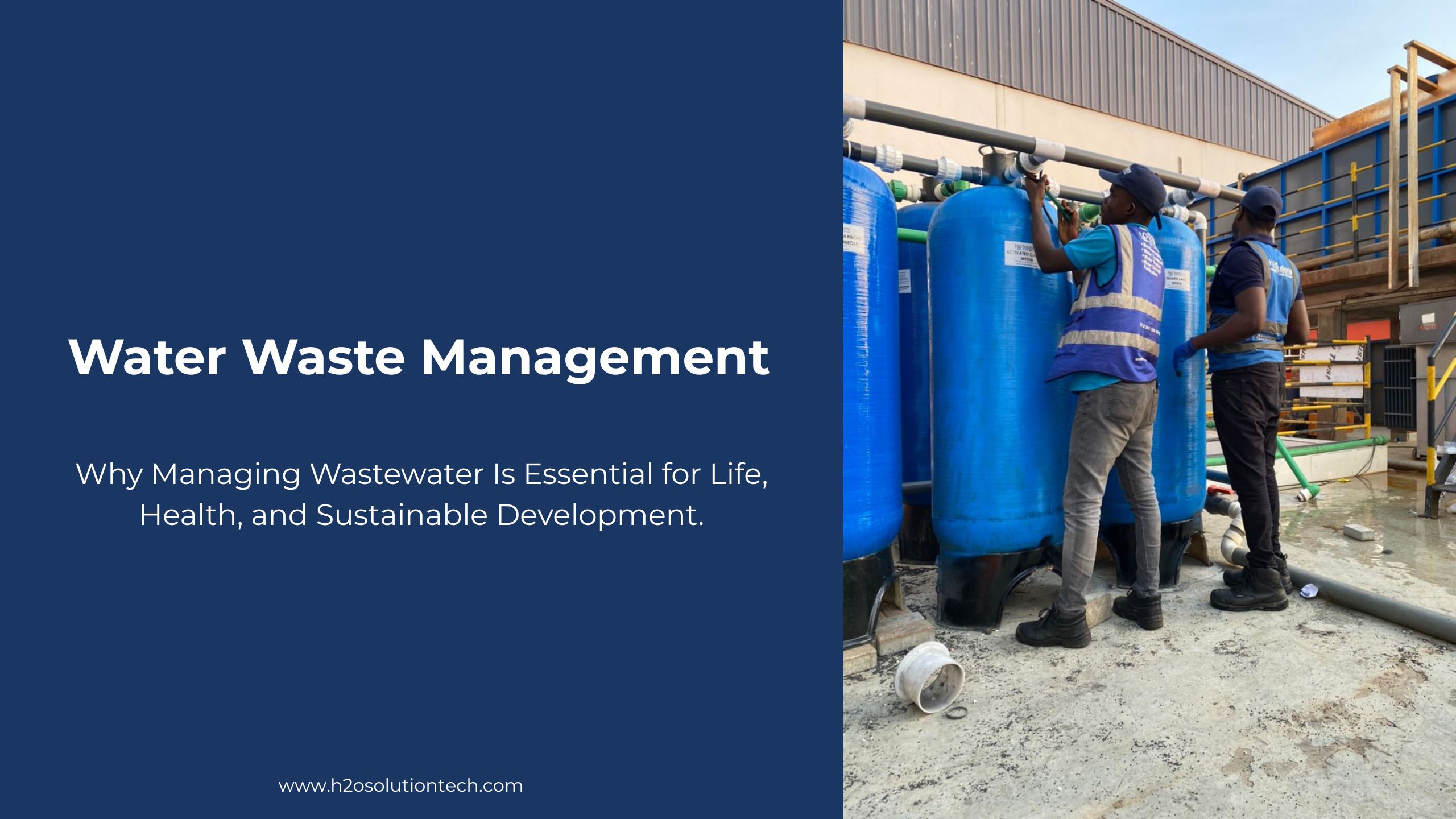
Water is one of the most valuable resources on Earth. Every living organism depends on it for survival, yet it is often taken for granted. As populations grow, industries expand, and urbanization increases, the amount of wastewater generated every day continues to rise. If this wastewater is not properly managed, it becomes a serious threat to human health, the environment, and economic development. This is why water waste management is not just important—it is essential.
What Is Water Waste Management?
Water waste management refers to the collection, treatment, reuse, and safe disposal of wastewater produced from homes, industries, hospitals, agriculture, and commercial activities. Wastewater includes used water from bathing, cooking, washing, toilets, factories, and farms. This water often contains harmful substances such as chemicals, oils, pathogens, heavy metals, and organic waste.
The main goal of water waste management is to remove pollutants, protect water sources, and ensure that water can either be safely returned to the environment or reused for beneficial purposes.
Why Should We Manage Wastewater?
1. Protection of Human Health
One of the most important reasons to manage wastewater is to protect human health. Untreated or poorly treated wastewater contains bacteria, viruses, and parasites that cause diseases such as cholera, typhoid, dysentery, and diarrhea. These diseases are especially dangerous for children, the elderly, and people with weak immune systems.
When wastewater is properly treated, harmful microorganisms are removed or destroyed, greatly reducing the risk of disease outbreaks and improving overall public health.
2. Environmental Protection
Wastewater discharged directly into rivers, lakes, oceans, or on land can cause severe environmental damage. Polluted water reduces oxygen levels in water bodies, killing fish and other aquatic organisms. It can also lead to problems like algal blooms, which block sunlight and disrupt aquatic ecosystems.
Proper water waste management helps to:
-
Protect rivers, lakes, and oceans
-
Preserve aquatic life
-
Maintain biodiversity
-
Prevent soil and groundwater contamination
3. Conservation of Freshwater Resources
Freshwater is limited, and many regions of the world already face water scarcity. Treating and reusing wastewater reduces pressure on freshwater sources such as rivers, dams, and underground aquifers.
Treated wastewater can be reused for:
-
Irrigation in agriculture
-
Industrial processes
-
Landscaping and gardening
-
Toilet flushing and cleaning
By reusing wastewater, communities can save large amounts of clean water and ensure long-term water availability.
4. Economic Benefits
Effective wastewater management supports economic development. Clean water is essential for industries, tourism, agriculture, and energy production. Pollution caused by untreated wastewater can damage fisheries, reduce agricultural productivity, and increase healthcare costs.
Investing in wastewater treatment systems:
-
Creates jobs
-
Reduces healthcare expenses
-
Supports sustainable industries
-
Prevents costly environmental cleanup in the future
5. Compliance With Environmental Laws and Standards
Many countries have laws and regulations that require proper wastewater treatment. Managing wastewater helps governments, businesses, and communities comply with these regulations, avoid penalties, and promote responsible environmental practices.
Importance of Water Waste Management Using Machines and Technology
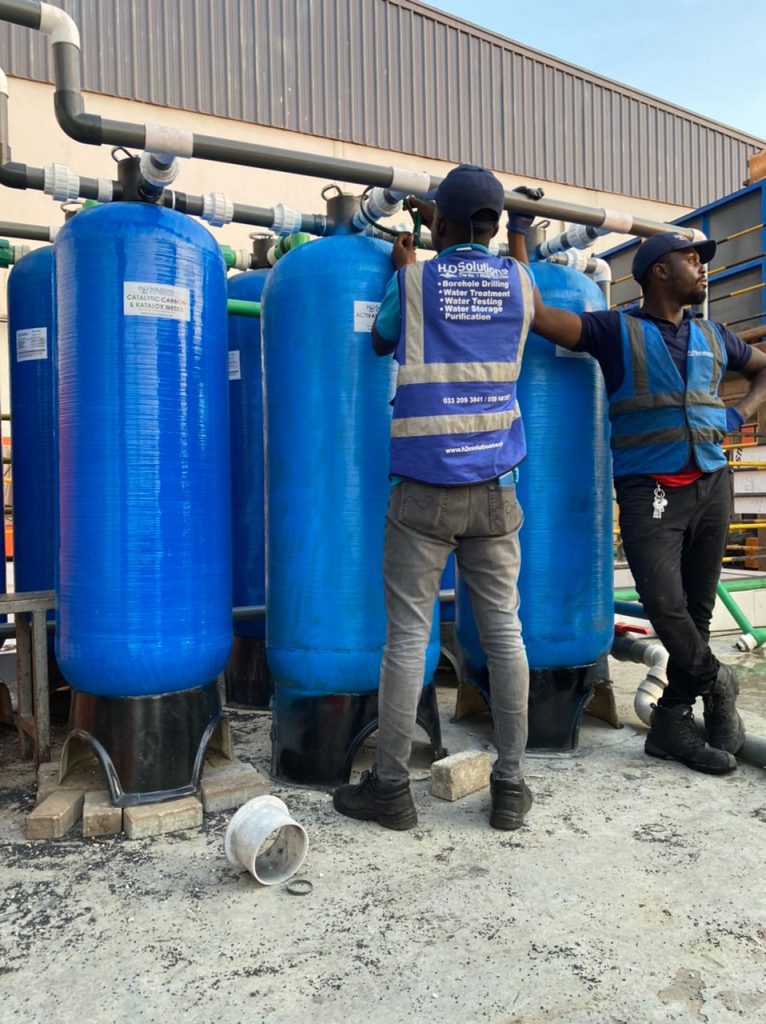
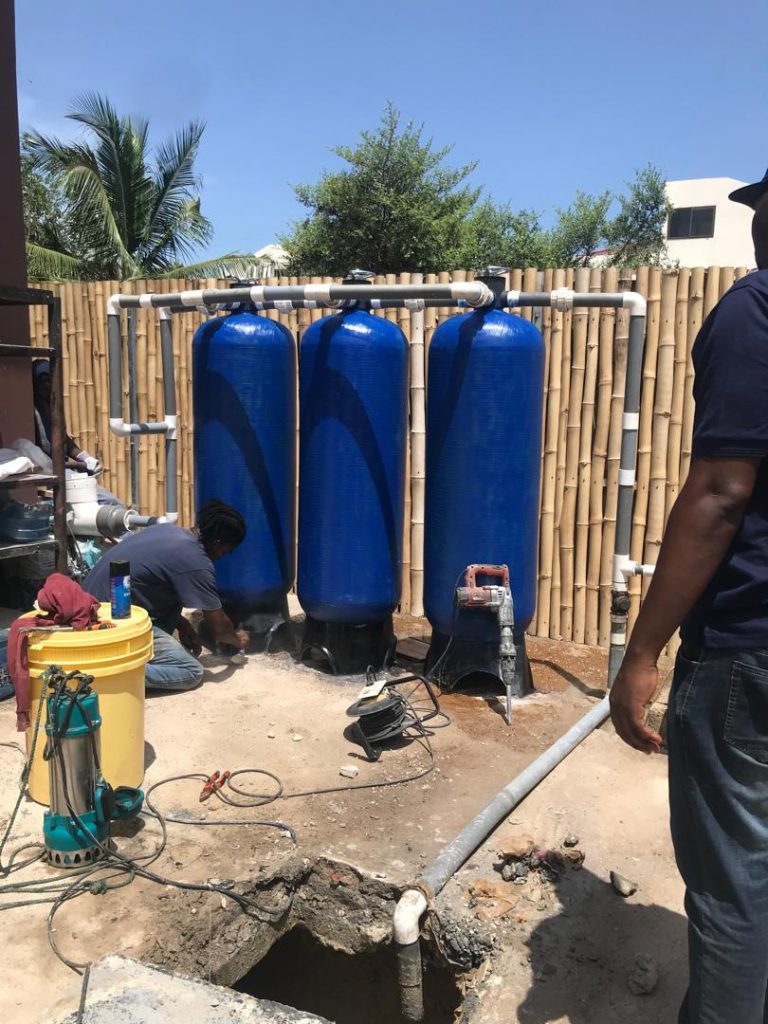
Modern water waste management relies heavily on machines and advanced technologies. These systems make wastewater treatment faster, safer, and more efficient.
1. Efficient Treatment Processes
Machines such as pumps, filters, aerators, and clarifiers help remove solids, oils, and harmful substances from wastewater. Advanced treatment plants use automated systems to monitor water quality and ensure consistent treatment standards.
2. Improved Water Quality
Technologies like biological treatment systems, membrane filtration, and chemical disinfection remove pollutants more effectively than manual methods. This results in cleaner, safer water that can be reused or discharged without harming the environment.
3. Reduced Human Risk
Using machines reduces direct human contact with contaminated water. This lowers the risk of infections and exposure to hazardous chemicals for workers in wastewater treatment facilities.
4. Water Recycling and Reuse
Modern machines make it possible to treat wastewater to a level where it can be reused safely. This is especially important in water-scarce areas, where recycled water supports agriculture and industry without depleting natural water sources.
The Role of Communities and Individuals
Water waste management is not only the responsibility of governments and industries. Individuals and communities also play a key role by avoiding disposal of chemicals, oils, and plastics into drains and conserving water to reduce wastewater volume. Supporting sanitation and wastewater projects and also educating others about the importance of clean water.
Water waste management is a critical part of protecting life, health, and the environment. Managing wastewater prevents disease, conserves freshwater, protects ecosystems, and supports economic growth. With the help of modern machines and technologies, wastewater can be treated efficiently and even reused, turning waste into a valuable resource.